
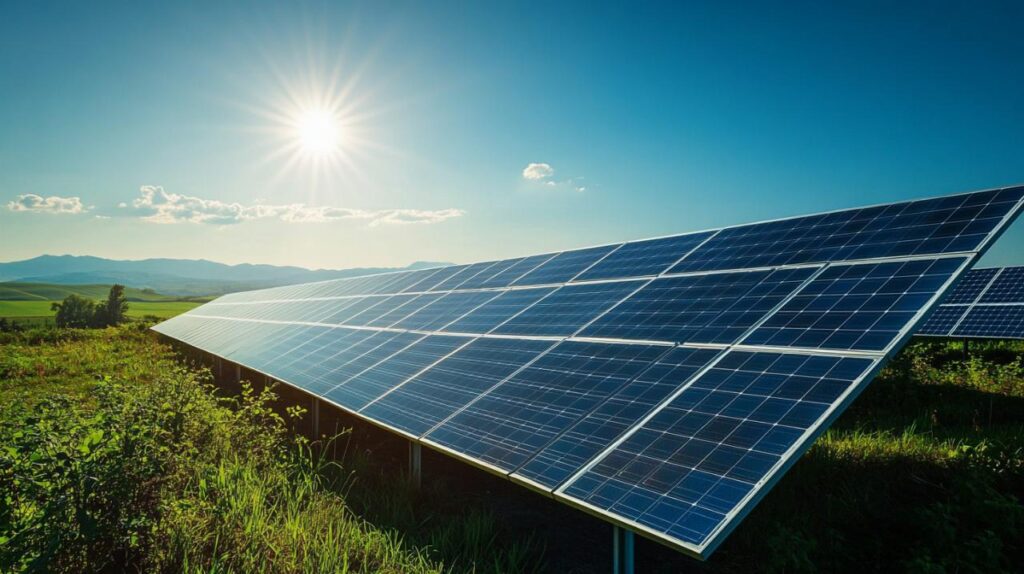
Harnessing the power of the sun has never been more accessible, and for those considering a solar panel installation, understanding the true potential of your location is the first crucial step. The Photovoltaic Geographical Information System, commonly known as PVGIS, serves as an invaluable resource for anyone looking to estimate the electricity generation capabilities of a photovoltaic system. Developed by the Joint Research Centre, this free tool draws on satellite and meteorological data to provide accurate simulations of solar production, helping homeowners and businesses alike make informed decisions about their renewable energy investments.
Understanding pvgis: your gateway to solar energy estimation
What is PVGIS and How Does This Tool Work with Geographical Data?
At its core, PVGIS is a comprehensive platform designed to deliver precise information on solar radiation and photovoltaic system performance across nearly every corner of the globe. The tool is built upon the scientific expertise of the Joint Research Centre, which provides advice for European Union policies in areas ranging from climate and environment to digital technology and energy. By leveraging satellite imagery and continuously updated weather data, PVGIS translates complex geographical information into straightforward estimates that anyone can understand. The system operates without requiring users to register, making it remarkably accessible for those embarking on their solar journey. Whether you are based in Europe, Africa, or parts of Asia, the database covers most regions with detailed accuracy, ensuring that the simulation results reflect the specific conditions of your site. This approach means that the estimates provided typically fall within a five to ten per cent margin of actual solar production, a level of precision that inspires confidence when planning an installation.
Accessing Weather Data and Simulation Parameters for Your Location
Once you access PVGIS, the process of obtaining an energy estimation begins by pinpointing your exact location. Users can input their site coordinates or simply use a GPS line to mark their position on the interactive map. This geographical information is then cross-referenced with extensive meteorological data, which includes daily and monthly radiation levels specific to the area. The tool allows you to adjust various parameters to match the characteristics of your proposed photovoltaic system. For instance, you can specify the type and power rating of your panels, account for any shading that might affect performance, and factor in system losses that naturally occur in real-world conditions. The beauty of PVGIS lies in its transparency; the simulation takes into account local climate patterns and historical weather trends, ensuring that the annual electricity returns are grounded in reliable data. By offering a month-by-month breakdown of expected solar production, the platform equips users with a clear picture of how their system will perform throughout the year. Moreover, the results can be exported as PDF documents, making it easy to share projections with installers, financial advisors, or family members. This level of detail transforms what might seem like an overwhelming technical challenge into a manageable and even exciting exploration of your renewable energy future.
Optimising your photovoltaic system configuration for maximum annual electricity generation
Determining the Ideal Inclination and Orientation for Your Solar Panels Installation
Achieving the highest possible electricity generation from a solar panel installation requires careful consideration of two critical factors: the inclination and orientation of the panels. PVGIS excels in guiding users through these decisions by simulating various configurations and revealing which setup will yield the best annual returns. The orientation of your panels, typically measured in degrees relative to true south in the northern hemisphere, plays a significant role in capturing solar radiation throughout the day. Similarly, the tilt or inclination of the panels affects how effectively they absorb sunlight during different seasons. By experimenting with these parameters within PVGIS, you can identify the optimal angle that maximises exposure to the sun's rays for your specific geographical location. Recent research highlighted by the Joint Research Centre has even explored innovative approaches, such as east-west facing bifacial solar panels, which could help stabilise energy markets by distributing generation more evenly across the day. While such advanced configurations may not suit every installation, the flexibility of PVGIS means that whether you are planning a straightforward rooftop array or a more complex tracking system, the tool will provide tailored guidance. This adaptability ensures that your investment in photovoltaic technology is aligned with the unique characteristics of your site, ultimately leading to greater energy savings and a more sustainable future.
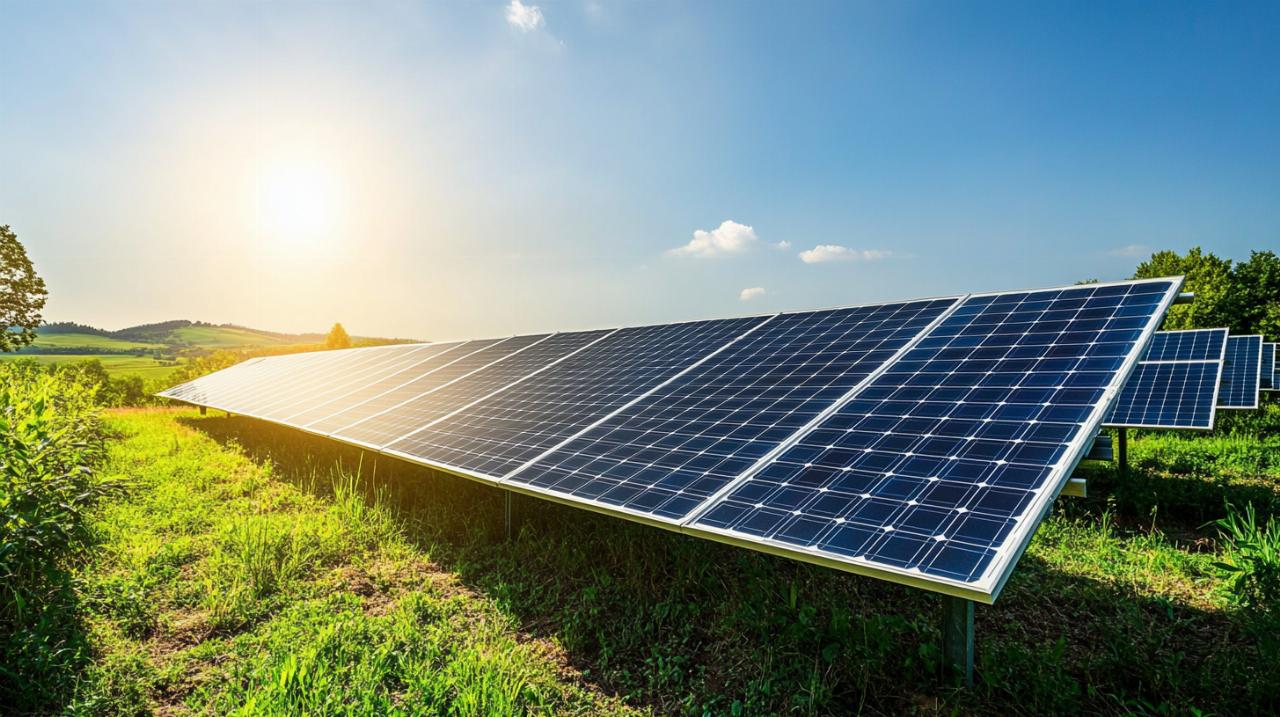
Comparing connected and autonomous system configurations using pvgis parameters
Another vital aspect of planning your solar installation is deciding whether your photovoltaic system will be connected to the national grid or operate autonomously. PVGIS offers dedicated simulation tools for both grid-connected and off-grid configurations, allowing you to explore the benefits and challenges of each approach. A grid-connected system, as the name suggests, feeds surplus electricity back into the national grid, often earning you credits or payments through schemes designed to encourage renewable energy adoption. This type of installation tends to be more straightforward in terms of design, as the grid acts as a backup during periods of low solar production. On the other hand, an autonomous or off-grid system relies on battery storage to provide power when the sun is not shining, making it ideal for remote locations or for those seeking complete energy independence. Within PVGIS, you can adjust parameters such as battery capacity, expected daily consumption, and system losses to see how an autonomous setup might perform throughout the year. By comparing these configurations side by side, the tool empowers you to make a decision that aligns with your energy needs, budget, and long-term goals. The ability to simulate both scenarios using the same reliable data ensures that your choice is informed by accurate projections rather than guesswork, providing peace of mind as you move forward with your solar project.
Mapping your solar potential: from gps line to energy estimation
Using pvgis geographical information to calculate your site's photovoltaic potential
The process of mapping your solar potential begins with a simple yet powerful feature of PVGIS: the ability to mark your location on an interactive map. By drawing a GPS line or clicking directly on your site, the tool instantly accesses a wealth of geographical information that forms the foundation of your energy estimation. This data includes not only the latitude and longitude of your location but also detailed records of solar radiation levels, cloud cover patterns, and temperature variations. The Joint Research Centre has continuously refined the accuracy of this information, ensuring that the simulations reflect real-world conditions as closely as possible. Once your site is identified, PVGIS calculates the photovoltaic potential by combining your chosen system parameters with the local climate data. The result is a comprehensive estimate of how much electricity your panels are likely to generate on a daily, monthly, and annual basis. This capability is particularly valuable for those who are still in the early stages of considering solar energy, as it provides a clear and quantifiable answer to the question of whether an installation makes sense for their location. The tool's ability to deliver such precise estimates without requiring any upfront investment or registration has made it a cornerstone of solar planning for thousands of users across Europe and beyond.
Interpreting annual electricity returns and planning your solar panel installation
Understanding the annual electricity returns provided by PVGIS is the final step in translating data into action. The simulation results offer a detailed breakdown of expected generation, typically expressed in kilowatt-hours per year, which can be directly compared to your household or business energy consumption. This comparison reveals the extent to which your photovoltaic system can offset your reliance on conventional electricity sources, leading to significant cost savings over time. The month-by-month projections are particularly useful, as they highlight seasonal variations in solar production and help you anticipate periods when your system may generate surplus energy or require supplementary power from the grid. Armed with this information, you can work with qualified professionals to design an installation that is tailored to your specific needs. Whether you are considering microinverters, optimisers, or advanced battery storage solutions, the data from PVGIS serves as a solid foundation for these discussions. Furthermore, the ability to export your results as a PDF means you can share your findings with installers, financial advisors, or even neighbours who might be curious about the benefits of solar energy. By demystifying the technical aspects of photovoltaic systems and presenting them in an accessible format, PVGIS not only guides you through the planning process but also inspires confidence in the decision to embrace renewable energy. The cumulative impact of millions of simulations run through the platform underscores its value as a trusted resource in the global shift towards sustainable electricity generation.