As homeowners increasingly seek ways to reduce their environmental impact whilst managing rising household costs, attention has turned to more sustainable approaches to powering and maintaining our homes. The transition towards greener living is no longer just an ethical choice but a practical one that can yield tangible benefits for both your wallet and your property's long-term value. With modern technology advancing rapidly and support schemes becoming more accessible, the opportunity to embrace ecological energy solutions has never been more compelling for those looking to future-proof their homes.
Renewable energy systems for modern living
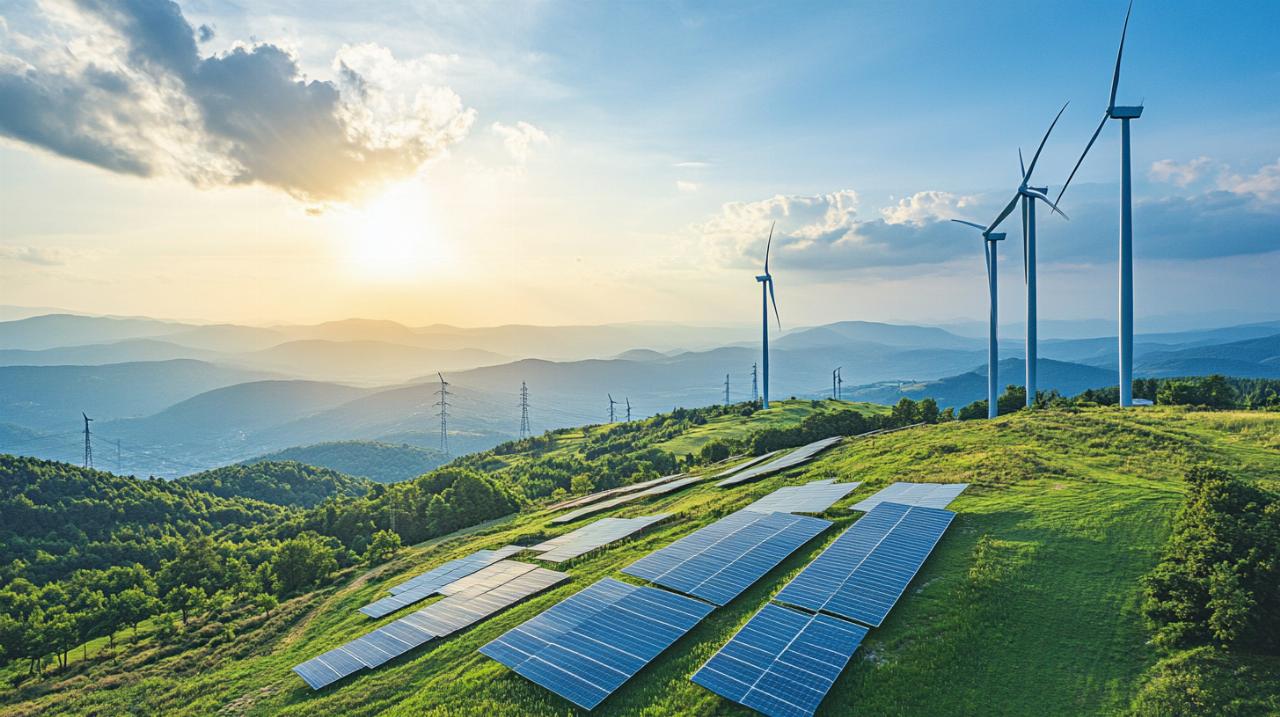
The shift towards renewable energy has gained remarkable momentum across the United Kingdom, with more households than ever before recognising the advantages of generating their own power. Beyond the environmental credentials, these systems offer genuine independence from fluctuating energy markets and provide a buffer against unpredictable price increases. The technology has matured significantly, making it more reliable and accessible for the average homeowner who wishes to take control of their energy consumption.
Solar panels: harnessing natural power
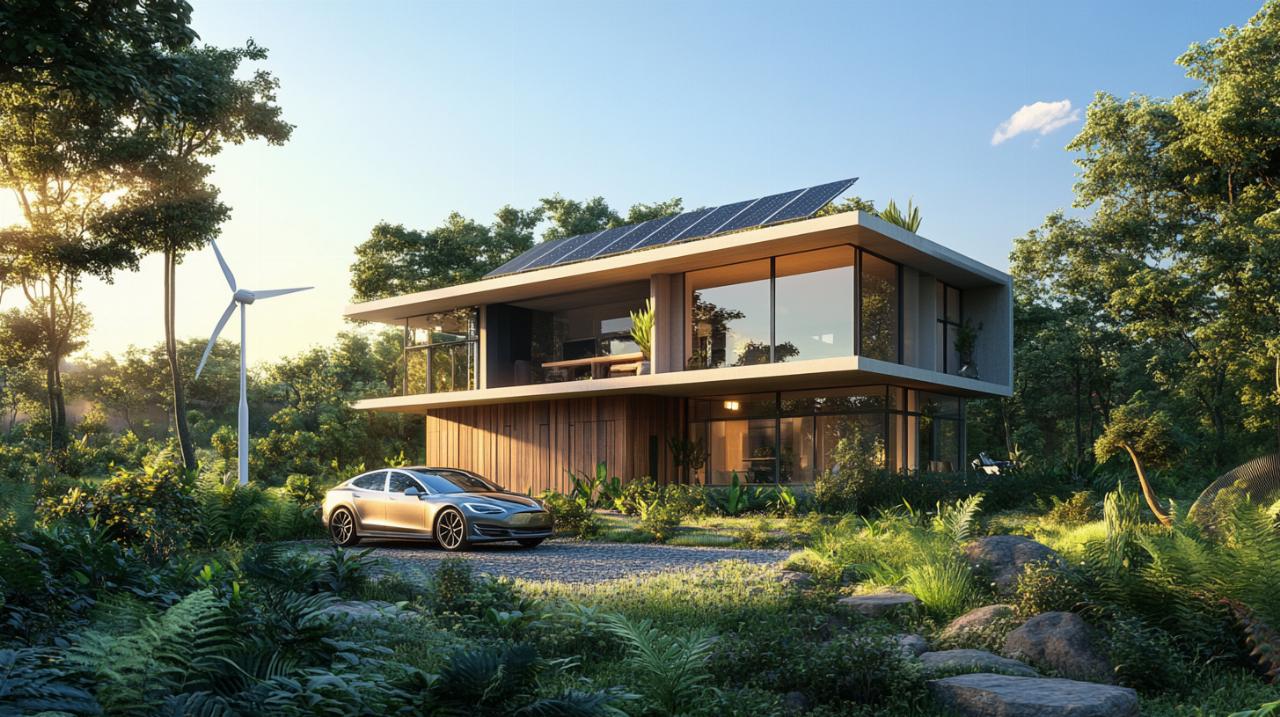
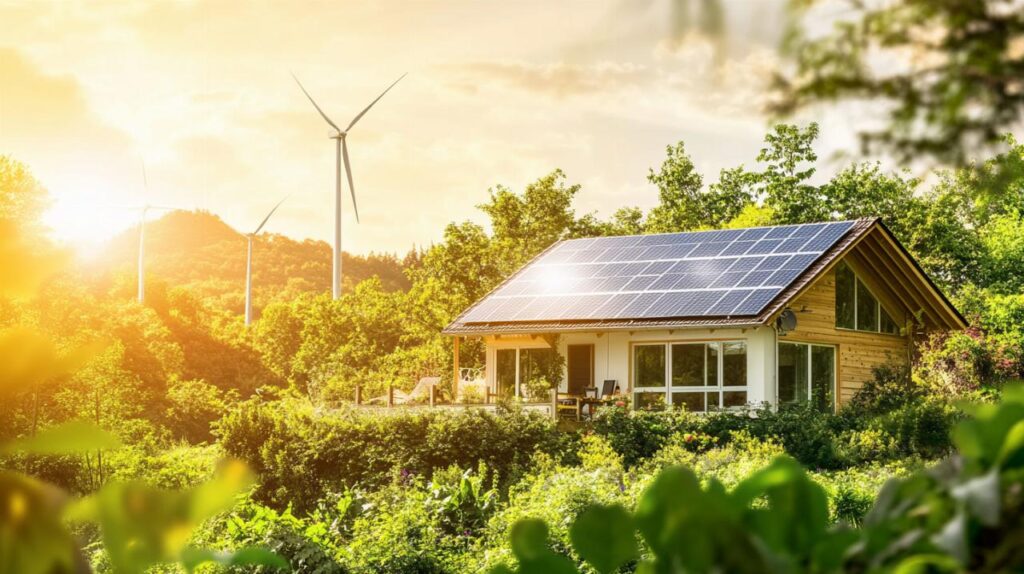
Solar energy continues to expand its reach throughout the country, with approximately one and a half million UK homes now equipped with solar panels. This growth reflects not only improved technology but also a growing awareness of the financial savings that can be achieved. Modern solar installations have become more efficient and aesthetically pleasing, addressing many of the concerns that homeowners previously held about their appearance and effectiveness. The initial investment can be offset by the significant reductions in electricity bills, with some households saving upwards of one thousand pounds annually by generating their own power and managing their consumption intelligently.
Installation costs have become increasingly competitive, with entry-level systems available from under five thousand pounds, and many suppliers offering additional discounts for customers who bundle solar panels with battery storage solutions. These battery systems allow you to store excess energy generated during sunny periods for use during evening hours or cloudy days, maximising the value of your solar investment. The ability to control your energy bills through such a package represents a fundamental shift in how we think about household power, moving from passive consumers to active producers. Furthermore, the integration of smart energy management systems means you can monitor and optimise your usage in real time, ensuring that every ray of sunshine contributes to your household's energy independence.
Heat pumps: efficient heating and cooling
Heat pumps have emerged as one of the most promising technologies for reducing carbon emissions whilst maintaining comfortable indoor temperatures throughout the year. These systems extract thermal energy from the air or ground and transfer it into your home, providing both heating during winter months and cooling when temperatures rise. Their efficiency is remarkable, operating at three to four times the effectiveness of traditional gas boilers, which translates directly into lower running costs and reduced environmental impact. Nearly one hundred thousand heat pump units were sold last year, indicating a rapid acceleration in adoption as homeowners recognise their potential.
The technology works by heating water to temperatures between forty-five and fifty-five degrees Celsius, which is entirely adequate for modern radiator systems and underfloor heating installations. For those upgrading from an older, less efficient boiler, the savings can be substantial, potentially reaching six hundred and fifty pounds annually. Heat pumps also contribute to a dramatic reduction in carbon emissions, with some installations cutting household carbon footprints by as much as ninety percent when powered by renewable electricity. This makes them an essential component of any comprehensive strategy to green your home, particularly when combined with improved insulation and draught proofing to maximise their efficiency.
Financial benefits and support schemes
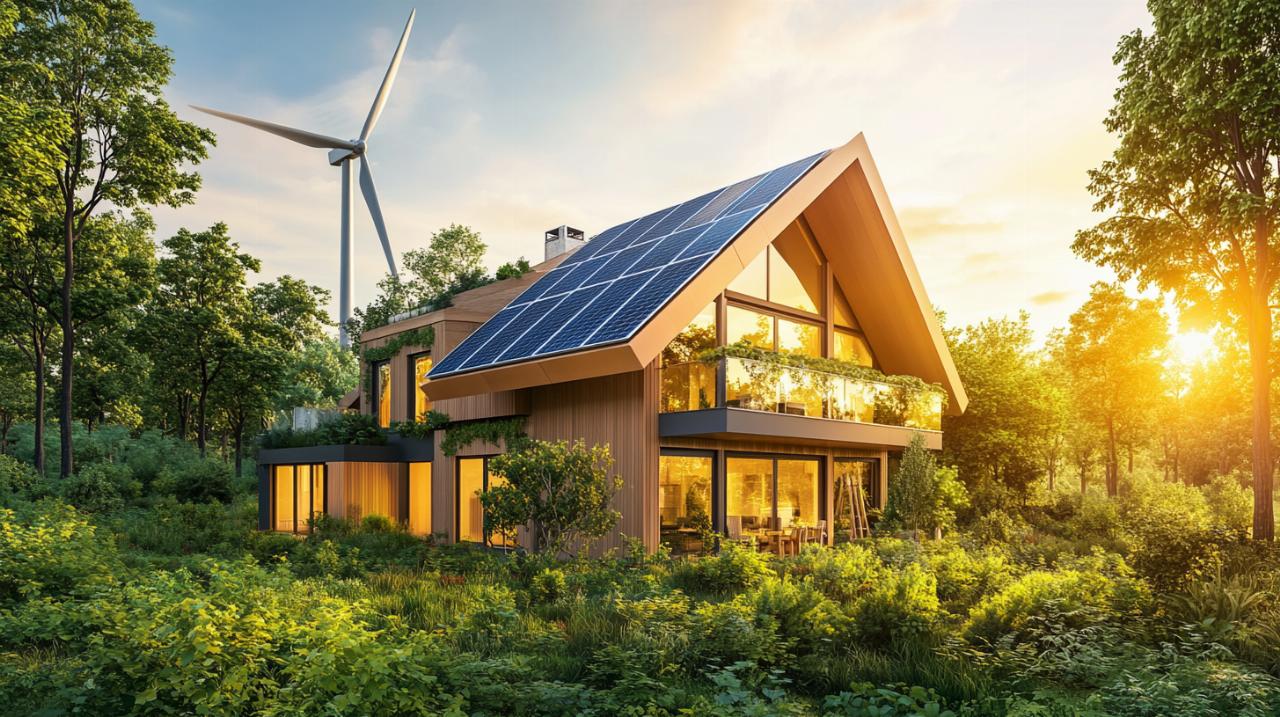
Whilst the environmental advantages of renewable energy systems are clear, the financial case has become equally compelling as technology costs have decreased and energy prices have risen. Homeowners who invest in green technology not only benefit from immediate reductions in their utility bills but also see an increase in their property's market value. Surveys have shown that over half of UK consumers would be willing to pay a premium for a home equipped with sustainable features, reflecting a broader shift in buyer preferences towards energy-efficient properties. This trend is particularly pronounced among younger buyers and those who have experienced working from home, as they place greater value on comfort, running costs, and environmental responsibility.
Reducing energy bills through green technology
The most immediate benefit of adopting ecological energy solutions is the reduction in monthly energy expenditure, which can be significant depending on the technologies deployed and the existing efficiency of your home. Solar panels allow you to generate a substantial portion of your electricity needs, whilst heat pumps dramatically lower heating costs compared to conventional systems. When these are combined with effective insulation measures such as loft insulation, cavity wall treatments, and draught proofing, the savings compound, creating a home that requires far less energy to maintain a comfortable temperature year-round.
Specialised tariffs designed for renewable energy users further enhance these savings. For instance, tariffs tailored for heat pump owners can reduce annual costs by several dozen pounds, whilst off-peak electricity rates designed for electric vehicle charging can allow you to fully charge a vehicle for as little as three pounds. These tariffs recognise the flexible consumption patterns that smart technology enables, rewarding those who shift their usage to times when renewable generation is abundant and grid demand is lower. Over time, these savings accumulate, often covering the initial investment within a decade or less, after which the benefits are essentially free for the remaining lifespan of the equipment.
Government grants and funding opportunities
Recognising the importance of accelerating the transition to cleaner energy, various government schemes have been established to help offset the upfront costs associated with installing renewable systems. The Boiler Upgrade Scheme, for example, provides a substantial grant of seven thousand five hundred pounds towards the installation of a heat pump, significantly reducing the financial barrier for households considering this upgrade. Such schemes are designed to make ecological energy solutions accessible to a wider range of homeowners, not just those with substantial capital reserves.
Regional programmes also exist to support energy efficiency improvements. In Scotland, Home Energy Scotland offers comprehensive home assessments and advice on available grants and loans, helping homeowners identify the most impactful upgrades for their specific circumstances. These assessments consider factors such as your home's existing Energy Performance Certificate rating, the suitability of different technologies, and the potential for carbon reduction. By taking advantage of these support mechanisms, you can make meaningful progress towards a more sustainable home without facing prohibitive costs, whilst contributing to national targets for emissions reduction and energy security.