Sorting through household clutter, garden waste, or the debris left over from a DIY project is never the most exciting task, but knowing exactly where to take it makes the whole process far less stressful. If you live near Lens and are trying to clear out old furniture, broken appliances, or leftover building materials, the Noyelles-sous-Lens recycling centre offers a practical solution. This guide walks you through everything you need to know about contacting the site, planning your visit, and understanding what can and cannot be dropped off there.
In brief
- The Noyelles-sous-Lens recycling centre provides a practical solution for residents to dispose of bulky items, household waste, and debris.
- It is recommended to call the centre ahead of time to verify specific requirements, such as potential booking systems or vehicle restrictions.
- Residents should plan their route and check in advance if their specific vehicle type, such as a van or trailer, requires a permit for entry.
- Opening hours can vary based on seasonal changes, bank holidays, and local maintenance schedules, so visitors should confirm the current timetable before traveling.
- The facility accepts a wide range of materials, including electronics, furniture, and hazardous items like batteries and oils, which require specific handling.
- While domestic waste disposal is generally straightforward, users should be aware of potential limits or fees for construction debris and commercial-scale waste.
Contact Details and Location of Noyelles-sous-Lens Recycling Centre
Telephone Number and How to Reach the Facility
Before heading over with a car boot full of rubbish, it's worth getting in touch with the centre directly to confirm details about your visit, particularly if you're bringing something unusual or bulky. Ringing ahead can save a wasted trip, especially since some facilities operate a booking system for certain vehicle types. Staff on the phone can also clarify whether pre-booking is required for your visit, a measure increasingly used across the UK, from Surrey to Aberdeenshire, to keep queues manageable and ensure everyone's safety on site. While the exact contact line for Noyelles-sous-Lens should be checked locally, treating this call as your first port of call is a sensible habit, particularly if you're transporting hazardous items or need clarity on charges.
Precise Address and Directions to the Recycling Centre
The site is located in Noyelles, close to Lens, making it a convenient stop for residents across the surrounding area. As with many household recycling centres, having a clear route planned before you set off helps avoid unnecessary delays, particularly during busy periods. It's also useful to check whether pedestrian access is permitted, since numerous centres across Britain, such as those in Cornwall and Aberdeenshire, restrict entry to vehicles only for safety reasons. If you're travelling by van or with a trailer, some sites require specific van permits or trailer access clearance, so it's worth confirming this in advance rather than being turned away at the gate.
Opening Hours and Visiting Times for Waste Disposal
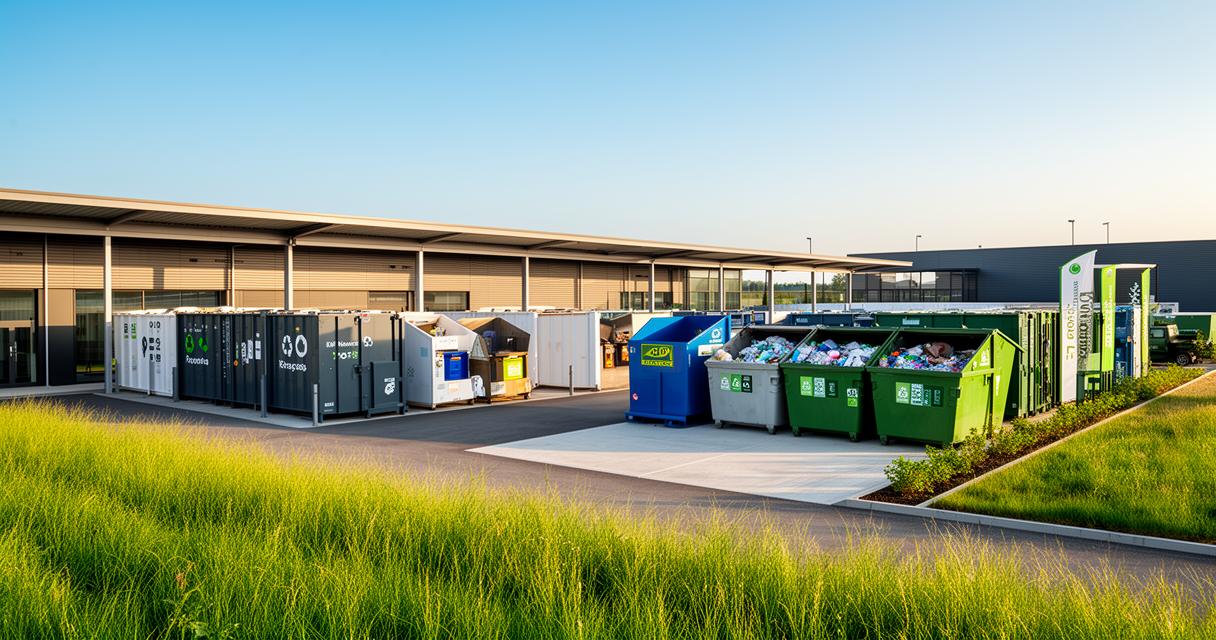
Weekly operating schedule for public access
Knowing the weekly timetable of the centre is essential for planning your trip properly. Many facilities across the country follow a similar pattern, opening for extended hours at weekends and shorter hours midweek, with certain weekdays closed altogether for maintenance or staffing reasons. For instance, some centres in Surrey open from eight in the morning until four in the afternoon on select weekdays, while remaining shut on others. Elsewhere, sites in Gloucestershire and Cornwall adjust their hours seasonally, switching between British Summer Time and Greenwich Mean Time schedules to reflect daylight availability. It's always worth double-checking the current opening hours for Noyelles-sous-Lens before setting off, as timings can shift depending on the season or local arrangements.
Bank Holidays and Seasonal Adjustments to Opening Times
Bank holidays often bring altered hours, and Christmas period closures are almost universal across recycling facilities in the UK. Many centres close entirely on Christmas Day, Boxing Day, and New Year's Day, while operating reduced hours on Christmas Eve and New Year's Eve. Other bank holidays typically see normal opening times maintained, though it's always sensible to verify this beforehand rather than assume. This pattern of seasonal adjustment reflects broader practices seen at sites managed by organisations such as SUEZ and Cornwall Council, where consistent communication with the public about temporary closures helps avoid disappointment for those planning a visit during the festive period.
Accepted Materials and Waste Categories at the Centre
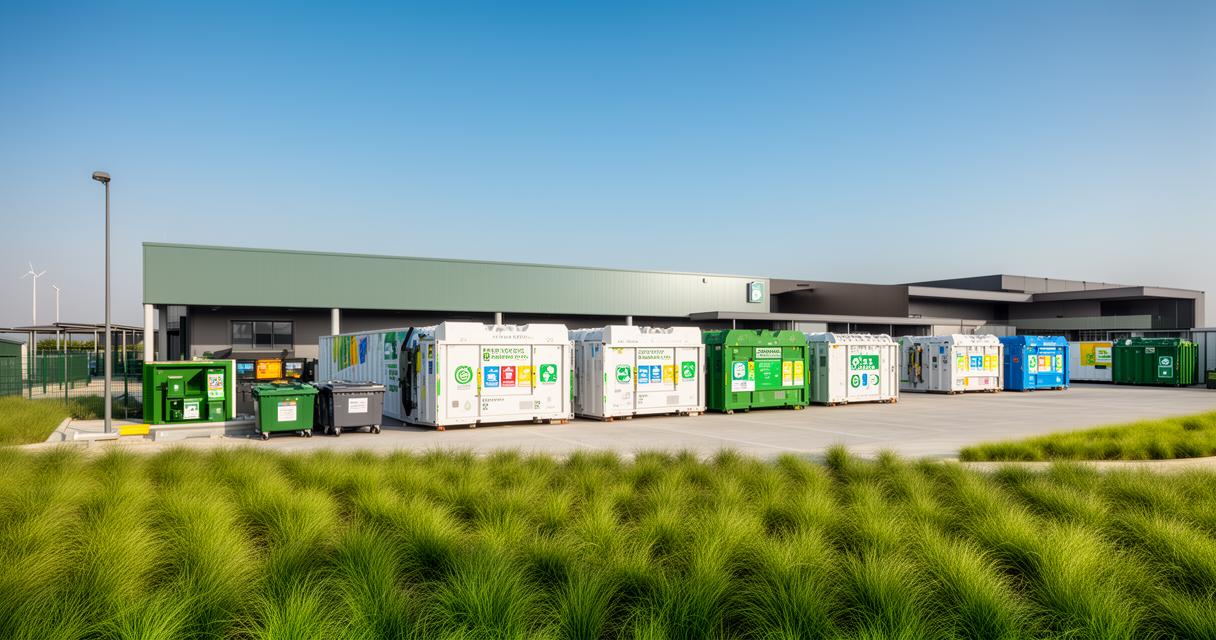
Bulky items, electronics, and household waste collection
One of the most valuable services offered by a facility like this is the ability to dispose of bulky waste that simply won't fit in your regular bin collection. This includes old cookers, fridges, mattresses, and other large household items that would otherwise be difficult to get rid of responsibly. Electronics, cardboard, glass and plastic bottles, TetraPak cartons, and clothing are also commonly accepted for recycling at similar centres nationwide. Some facilities even operate a reuse shop, sometimes called a Revive shop, where usable items such as books, DVDs, and bric-a-brac are sold on rather than discarded, giving them a second life. However, not every site includes this feature, and electrical appliances or children's toys are often excluded from these shops for safety reasons.
For anyone undertaking a house clearance or a big seasonal tidy-up, understanding what falls under household waste categories versus commercial waste is important, since businesses are frequently charged for disposal in ways that domestic customers are not. Many councils, including those overseeing sites in Cornwall and Aberdeenshire, allow trade waste collections or drop-off services for businesses, usually at a separate charge structure.
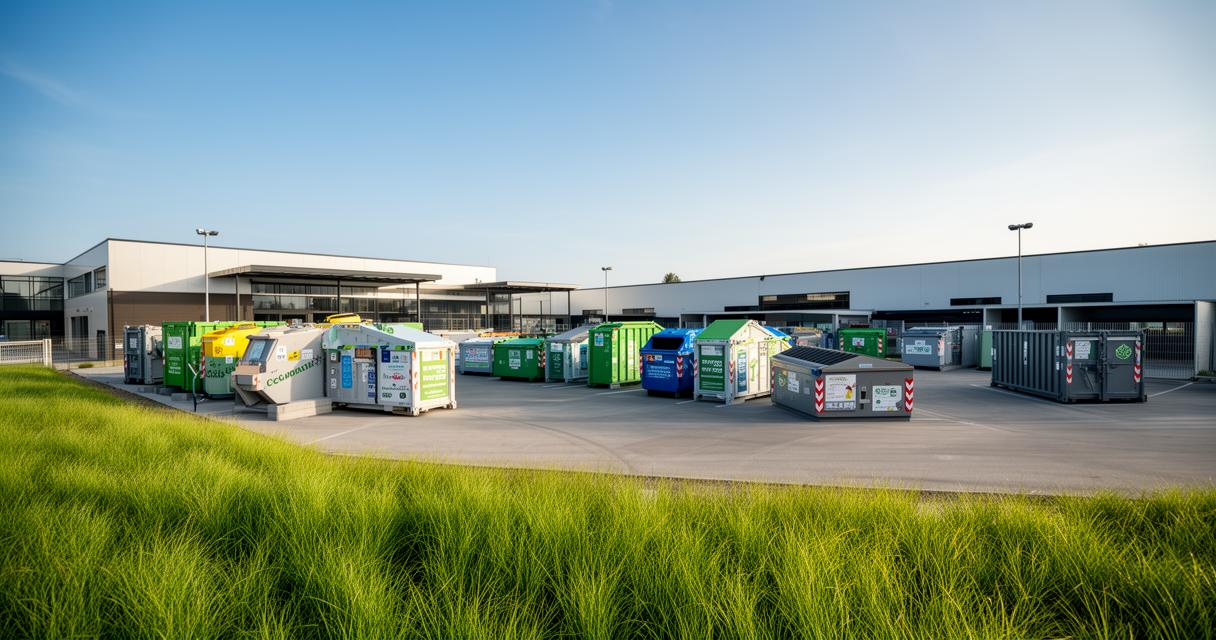
Hazardous materials: batteries, oils, and construction debris disposal
Not everything can simply be tossed into a general skip, and this is where knowing the specifics really pays off. Batteries, used oils, and vehicle tyres typically require separate handling due to their environmentally harmful nature if disposed of incorrectly. Some centres charge a small fee for tyre disposal, while bicycle tyres and inner tubes are often accepted free of charge. Construction and DIY waste, including rubble, plasterboard, and even asbestos in certain circumstances, usually comes with a weekly allowance before additional charges apply, a system designed to prevent commercial-scale waste from being disposed of without proper payment. Facilities across Gloucestershire, for example, allow a limited number of rubble bags or plasterboard sheets before extra costs kick in.
Given these variations, it's always worth ringing the Noyelles-sous-Lens centre directly to confirm which hazardous materials are accepted and whether any charges apply, particularly for construction debris or specialist items. Being prepared before your visit, whether that means separating recyclables in advance or bringing exact change for any small fees, makes the whole experience considerably smoother. With clear information on contact details, opening hours, and accepted materials in hand, disposing of your waste responsibly becomes a straightforward task rather than a frustrating chore.