
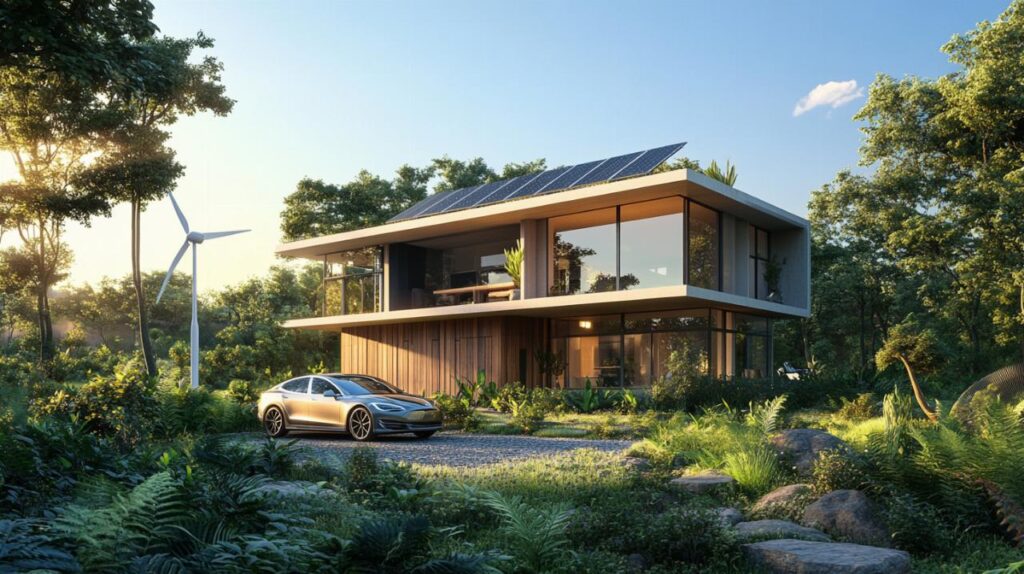
As the United Kingdom accelerates its transition toward electric vehicle adoption with the 2030 petrol and diesel ban on the horizon, homeowners are increasingly seeking ways to make their EV charging arrangements both economically sound and environmentally responsible. The shift toward electric motoring represents a tremendous opportunity to rethink how we power our homes and vehicles, creating a harmonious system that draws upon renewable sources rather than fossil fuels. By embracing ecological energy solutions for sustainable home living, residents can significantly reduce their carbon footprint whilst simultaneously cutting energy expenses, all while preparing their properties for a future where clean transportation becomes the norm rather than the exception.
Integrating renewable energy sources with your ev charging infrastructure
The most transformative approach to green EV charging involves directly connecting your vehicle's power supply to renewable energy sources, allowing you to draw electricity from the sun, wind, or other sustainable alternatives rather than relying entirely on the National Grid. Although the UK grid has made impressive strides in recent years, with 51% of its electricity coming from renewable sources as of 2022, taking control of your own energy generation offers unparalleled environmental benefits and long-term cost savings. Installing ecological energy solutions allows homeowners to achieve virtually zero environmental impact from their charging activities, creating a closed-loop system where clean power flows directly from generation to consumption without the inefficiencies and emissions associated with centralised energy distribution.
Solar panel installation and vehicle-to-grid technology
Solar panels represent the most accessible and popular renewable energy option for residential properties across the United Kingdom, converting sunlight into electricity that can power both your home and your electric vehicle. The integration of solar charging systems with compatible home chargers creates a seamless arrangement where your vehicle draws power during daylight hours when panels generate their peak output, maximising the use of clean energy whilst minimising grid dependence. Modern smart EV chargers equipped with solar integration capabilities can automatically detect when excess solar generation is available and divert that power to your vehicle, ensuring that every ray of sunshine translates into miles of emission-free driving. Vehicle-to-grid technology, commonly known as V2G, takes this concept even further by allowing bidirectional energy flow between your vehicle and your home or the wider electrical network. Though V2G adoption remains limited in the UK, this innovative approach enables your EV's battery to serve as a mobile energy storage unit, capturing surplus renewable generation during periods of abundance and releasing it back when demand peaks or generation drops. For homeowners with solar installations, V2G capabilities combined with vehicle-to-home or V2H functions create a remarkably resilient energy ecosystem where your car becomes an active participant in your household's power management rather than merely a consumer.
Wind energy micro-turbines for residential ev power supply
Whilst solar installations dominate the residential renewable energy landscape, wind power offers a compelling alternative or complement for properties with suitable exposure and planning permissions. Micro-wind turbines designed for domestic use can generate electricity during periods when solar panels remain dormant, such as overcast days or nighttime hours, creating a more consistent renewable energy supply throughout the year. The UK's famously changeable weather, rather than being a hindrance, becomes an asset when combining wind and solar installations, as the two technologies tend to produce power during different conditions and seasons. Integrating wind-generated electricity with your EV charging setup requires the same smart charging infrastructure used for solar systems, with controllers that monitor renewable generation and direct excess power toward vehicle charging when available. For rural properties with adequate space and wind resources, small-scale turbines can contribute significantly to overall energy independence, reducing reliance on grid electricity and ensuring that your electric vehicle genuinely runs on clean power. The combination of multiple renewable sources creates redundancy and reliability, addressing one of the primary concerns about sustainable energy systems whilst maximising the environmental benefits of electric vehicle ownership.
Optimising energy efficiency through smart home systems

Beyond generating your own renewable power, the intelligent management of when and how your vehicle charges can dramatically enhance both the sustainability and economics of home EV charging. Smart charging technologies have evolved rapidly in recent years, offering homeowners sophisticated tools to minimise costs, reduce environmental impact, and protect their home's electrical infrastructure from unnecessary strain. These systems leverage connectivity features including Wi-Fi, Bluetooth, and RFID technology to create automated charging schedules that respond to grid conditions, electricity pricing, and renewable energy availability. The most advanced smart EV chargers now offer mobile applications that give users complete control over their charging sessions, allowing them to monitor energy consumption, schedule charging during optimal periods, and even participate in demand response programmes that benefit both the homeowner and the wider energy system.
Intelligent charging schedules and off-peak tariff management
Time-of-use tariffs represent one of the most immediately impactful ways to reduce the cost and environmental footprint of home EV charging without requiring any investment in renewable energy generation equipment. These specialised electricity pricing structures, such as the Octopus Go tariff and Intelligent Octopus Go offered by Octopus Energy, provide significantly reduced rates during off-peak hours when electricity demand falls and renewable generation often exceeds consumption. By programming your smart EV charger to operate during these periods, typically overnight between midnight and early morning, you can slash your charging costs whilst drawing power when the grid relies more heavily on renewable sources and less on fossil fuel backup generation. The UK government's support for these tariffs through grants of £350 or 75% off the installation cost of eligible chargepoints has made smart charging accessible to a broader range of homeowners and renters, accelerating the transition toward more sustainable charging practices. Most modern smart chargers feature automated scheduling capabilities that require minimal user intervention once configured, learning your driving patterns and ensuring your vehicle reaches the desired charge level by your departure time whilst maximising the use of cheaper, cleaner off-peak electricity. Dynamic load balancing represents another crucial feature of advanced smart charging systems, particularly for homes with limited electrical capacity or properties where multiple EVs require charging. This technology monitors your home's overall electricity consumption and automatically adjusts charging rates to prevent circuit overloads, protecting your electrical infrastructure whilst still delivering sufficient power to meet your transportation needs.
Battery storage solutions for consistent green power delivery
Home battery storage systems serve as the missing link between intermittent renewable energy generation and the consistent power delivery required for convenient EV charging, capturing excess solar or wind energy when production exceeds immediate consumption and releasing it when needed. These battery installations, increasingly affordable as technology advances and manufacturing scales up, transform your home into a miniature power station capable of storing clean energy for use during evening charging sessions or periods of low renewable generation. When paired with solar panels and smart charging equipment, battery storage creates a truly independent and sustainable charging ecosystem where your vehicle can receive green power regardless of weather conditions or time of day. The synergy between home batteries and EV chargers equipped with V2H capabilities creates remarkable flexibility and resilience, as your vehicle's battery can supplement your home storage during extended periods of low generation or high consumption. For homeowners seeking maximum energy independence and environmental benefit, the combination of renewable generation, battery storage, and intelligent charging management represents the gold standard of sustainable EV charging. Most UK homes operate on a single-phase supply suitable for standard 7 kW chargers, which integrate seamlessly with battery storage systems and provide adequate charging speeds for overnight replenishment of typical daily driving ranges. As electricians assess your property's electrical infrastructure and advise on equipment compatibility, they can recommend optimal configurations that balance renewable integration, storage capacity, and charging power to create a system tailored to your specific needs and budget. Compliance with UK regulations ensures that these installations meet safety standards whilst maximising the financial incentives available through government support programmes, with the current OZEV grants scheduled to close on 31st March 2025 at 11:00pm, making immediate action advisable for those seeking to benefit from this assistance.