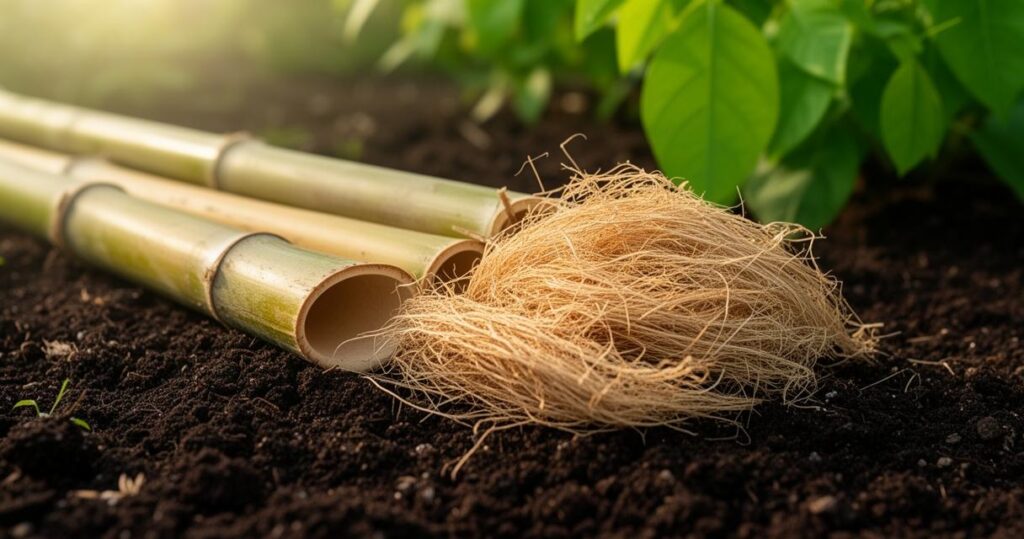
There is something quietly satisfying about watching a garden thrive on materials that would otherwise be tossed aside, and bamboo has quickly become one of the most talked-about heroes of sustainable gardening. Once dismissed as simply a fast-growing plant, it now sits at the centre of a wider conversation about waste reduction, soil health improvement, and the ongoing effort to move away from single-use plastics in our homes and outdoor spaces.
What to know
- Bamboo serves as a sustainable, antimicrobial alternative to plastic products, offering a biodegradable lifecycle that prevents long-term landfill waste.
- Bamboo's rapid growth cycle and carbon sequestration abilities make it an environmentally friendly substitute for timber, helping to combat deforestation.
- To compost bamboo effectively, it must be cut into small, untreated pieces to act as a carbon-rich material that balances nitrogen-heavy kitchen and yard waste.
- Composting bamboo enriches soil with essential silica and minerals, providing a slow-release fertilizer that improves water retention and plant structural integrity.
- Bamboo can be repurposed in the garden as durable stakes, trellises, or mulch to suppress weeds and support climbing plants.
- Consumers should exercise caution to avoid 'bamboo' products that contain hidden plastic resins, seeking clear certifications to ensure true biodegradability.
- Choosing bamboo supports 'connected health' by reducing microplastic contamination in soil, which ultimately leads to healthier food production for humans.
Understanding Bamboo as a Sustainable Alternative to Plastic Products
Why bamboo utensils and kitchen products outperform traditional materials
Wander into any kitchen shop these days and you will likely spot bamboo utensils, brushes, and chopping boards sitting proudly alongside their plastic counterparts. This shift is not merely aesthetic. Bamboo is naturally antimicrobial, sturdy enough to withstand daily use, and does not leach the chemicals that some plastics are known to release over time. Unlike synthetic materials that linger in landfills for centuries, bamboo products break down naturally once their working life is over, making them a genuinely renewable resource rather than a temporary fix disguised as an eco-friendly choice.
The Ecological Benefits of Bamboo in Combating Deforestation
One of bamboo's most remarkable traits is the astonishing speed at which it grows, often reaching maturity in a fraction of the time it takes hardwood trees to do the same. This rapid growth cycle means bamboo can be harvested repeatedly without stripping forests bare, offering a genuine alternative to timber-based products. As part of a broader push towards environmental sustainability, bamboo cultivation also supports carbon sequestration, drawing carbon dioxide from the atmosphere and locking it away within its dense, fibrous stalks.
The science behind composting bamboo and its natural biodegradable properties
Breaking down bamboo: the composting process explained
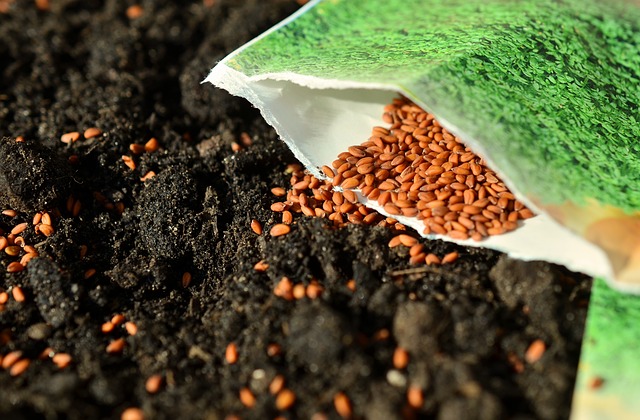
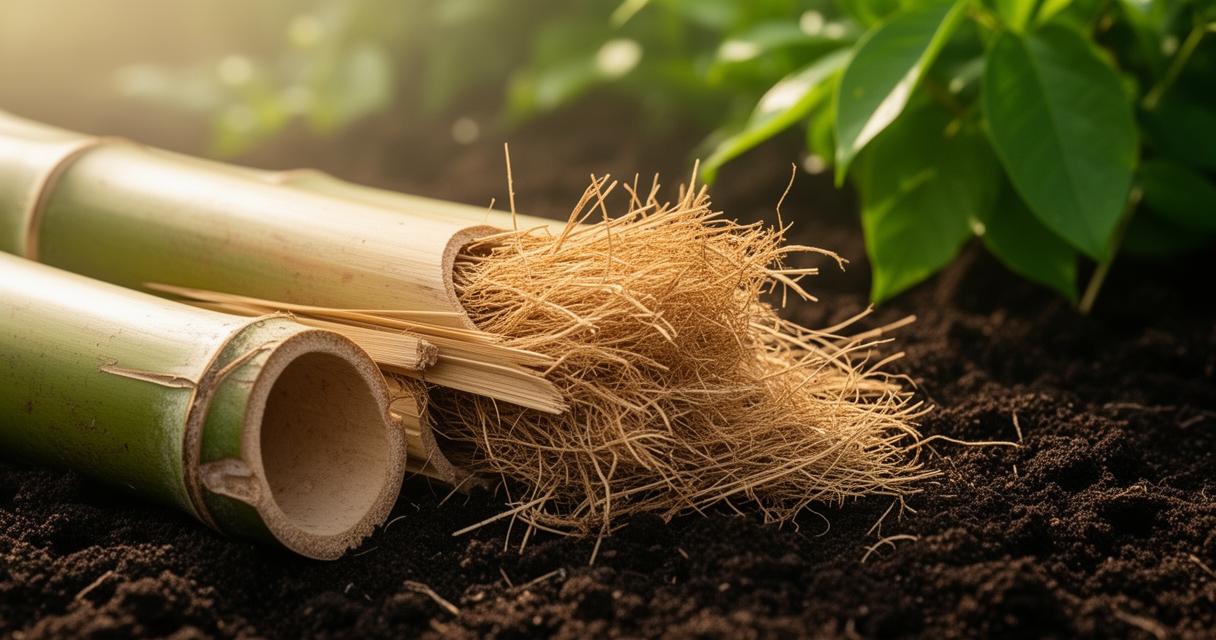
Composting itself is simply the biological decomposition of organic materials, and bamboo fits neatly into this process when it is properly prepared. Before adding bamboo to your pile, it helps to clean it thoroughly, cut it into smaller pieces, and avoid any treated or varnished sections that might interfere with natural breakdown. Once integrated, bamboo acts as a carbon-rich addition, balancing out the nitrogen-heavy greens such as vegetable peelings and grass cuttings. Gardeners following the bamboo gardening method often describe successful composting techniques as those that maintain a roughly even mix of browns and greens, along with consistent moisture and airflow throughout the pile. This is where the carbon-nitrogen balance becomes essential, as too much of either element can slow decomposition or create unpleasant odours.
Home composting, whether through a traditional backyard bin or vermicomposting with worms, typically takes over twelve months to produce a finished product. The end result should be dark, crumbly, and smell distinctly earthy, a clear sign that organic waste decomposition has run its full course. Along the way, composting bamboo alongside kitchen scraps and yard waste contributes to landfill diversion, helping to prevent the build-up of methane gas that forms when organic material breaks down without oxygen in traditional rubbish tips.
How bamboo enriches garden soil and eliminates toxins naturally
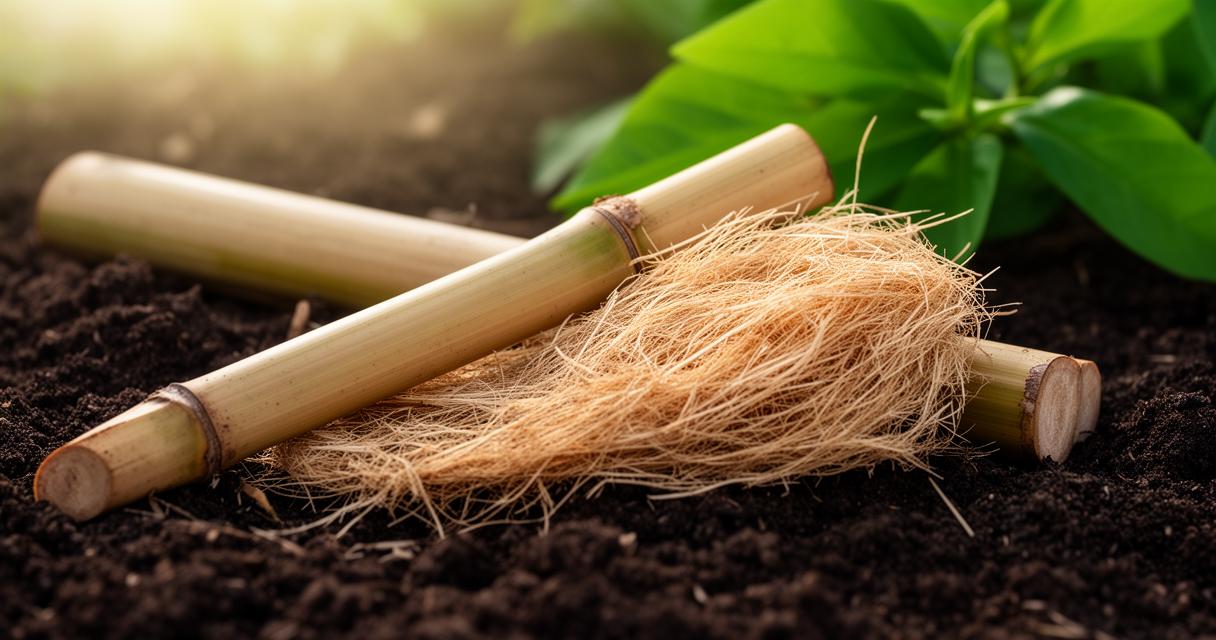
What makes bamboo particularly prized among gardeners is its high silica content, which strengthens plant cell walls and, once composted, transfers beneficial minerals directly into the soil. This nutrient-rich fertiliser effect means bamboo compost functions almost like a slow-release feed, gradually nourishing plants over weeks rather than delivering a sudden burst that quickly fades. Soil enrichment through bamboo also improves water retention, helping gardens cope better during dry spells while offering a degree of resilience against both flooding and drought.
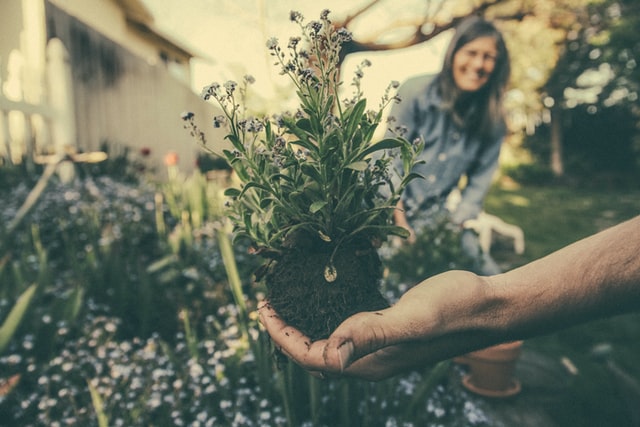
Beyond composting, bamboo has plenty of other practical uses in the garden. Sturdy bamboo stakes provide reliable support for climbing plants like tomatoes and beans, whilst larger bamboo structures can be fashioned into trellises, fences, or even decorative teepees that double as functional plant support systems. Shredded bamboo also works wonderfully as mulch, suppressing weeds and locking in moisture around the base of plants. Some enthusiasts take things further, building bamboo water features, meditation spaces, or adding soft bamboo lighting to create a magical atmosphere once evening falls. For those wanting a more communal approach, joining a community composting initiative or exploring zero waste initiatives in the local area can help share resources and knowledge whilst reducing individual waste output.
Making informed choices: product transparency and sustainable practices
Reading labels: identifying genuinely ecological bamboo products
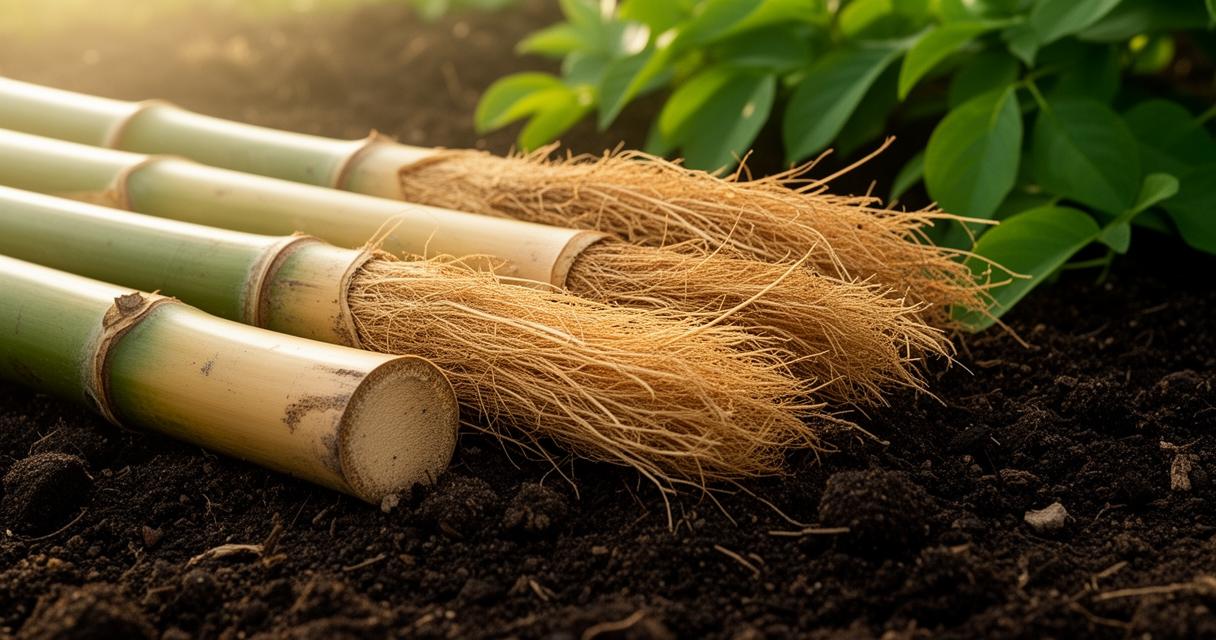
Not every product marketed as bamboo-based is created with the same environmental integrity, and this is where transparency becomes crucial. Some items blend bamboo fibres with plastic resins, which undermines the very biodegradability that makes bamboo appealing in the first place. Shoppers keen on supporting genuine sustainable gardening and eco-conscious living should look closely at packaging claims, checking whether products are truly compostable or simply labelled with vague, unverified green terminology. Just as secure websites use HTTPS to signal safety, ecological products should carry clear, verifiable certification rather than relying on ambiguous buzzwords.
Supporting connected health through conscious consumer decisions
Choosing bamboo over plastic is not just an environmental statement, it is also a step towards what many now call connected health, the idea that the wellbeing of people, soil, and ecosystems are all intertwined. Healthier soil, free from microplastic contamination and enriched through composting bamboo, ultimately grows healthier food. Reducing landfill waste and the harmful methane it produces also means cleaner air and a lower overall environmental footprint for the whole community. Resources such as local composting guidance schemes and organisations focused on reducing environmental impact can offer beginners practical support, whether they are just starting a small backyard pile or aiming to build an entire garden ecosystem around bamboo structures and organic waste. In the end, small, informed choices around bamboo composting add up to a meaningful contribution towards a more sustainable, connected future for gardens and gardeners alike.